Get 10% Off When You Book Early
Install a Concrete RV Pad in Cincinnati, OH for Heavy Vehicle Support
Install a concrete RV pad designed to support heavy vehicles with proper thickness, drainage, and layout. Each pad is built to provide stable parking and long-term surface performance.
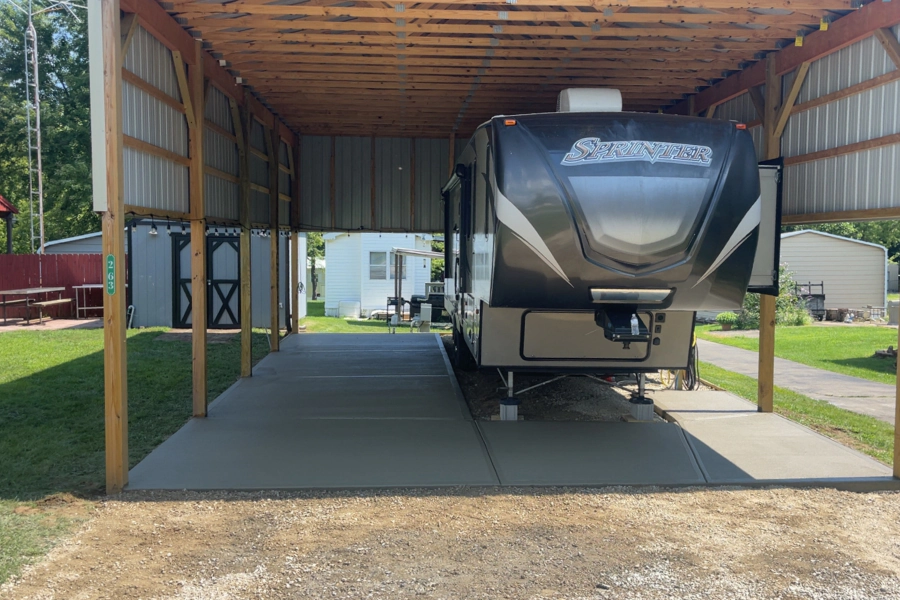
RV Pad Installation That Supports Heavy Vehicle Storage
Parking a recreational vehicle or camper on grass, gravel, or dirt often leads to long-term problems. Heavy vehicles place significant pressure on the ground, causing surfaces to sink, shift, or become uneven over time. This not only affects the condition of the parking area but can also impact the vehicle itself.
Soft ground conditions are especially problematic during wet seasons. Tires can sink into the soil, creating deep ruts that make it difficult to move the vehicle. Uneven surfaces can also place stress on the frame, leading to alignment issues and unnecessary wear. Over time, repeated use of the same area worsens these conditions, making the space less functional.
A concrete RV pad provides a stable and level surface designed to handle the weight of large vehicles. By creating a solid foundation, the pad prevents sinking and ensures the vehicle remains properly supported. This makes parking, storage, and maintenance much easier.
We begin each project by evaluating the size of the vehicle, the layout of the property, and how the space will be used. This allows us to determine the correct dimensions, thickness, and placement of the pad. Proper planning ensures the surface meets both current needs and long-term use.
Every installation is completed with a focus on durability, stability, and consistent performance under heavy loads.
RV Pad Construction Built for Strength and Load Support
Concrete RV pads must be built differently than standard slabs due to the weight they are designed to support. Proper thickness, reinforcement, and base preparation are essential to ensure the pad does not crack or shift under pressure.
We approach each installation with a focus on creating a surface that remains stable under heavy use. The process begins with preparing the ground to ensure it can support the load of the vehicle.
Our process includes:
- Site evaluation and layout planning: We assess the vehicle size, turning radius, and placement area to determine the best layout for the pad.
- Ground clearing and leveling: The installation area is cleared and leveled to create a consistent surface for base preparation.
- Base preparation and compaction: A compacted base layer is installed to support the weight of the RV and prevent settling over time.
- Forming and dimension setup: Forms are placed to define the pad size and thickness, ensuring it meets the requirements for heavy vehicle support.
- Concrete pouring and leveling: High-quality concrete is poured and spread evenly to create a strong, level surface.
- Reinforcement for heavy loads: Reinforcement materials may be added to improve strength and durability under high weight conditions.
- Drainage slope creation: The surface is sloped properly to allow water to flow away from the pad, preventing pooling.
- Final inspection and cleanup: The completed pad is reviewed to ensure accuracy and the site is cleaned for use after curing.
Each step is completed with attention to detail to ensure the RV pad performs reliably over time.
Create a Dedicated Parking Area for RVs and Campers
A concrete RV pad provides a designated space for parking and storing recreational vehicles. This improves both organization and usability, making it easier to manage large vehicles without impacting other areas of the property.
For residential properties, an RV pad helps keep vehicles off lawns and driveways that may not be designed to handle the weight. This prevents damage to landscaping and reduces wear on existing surfaces. A dedicated pad also makes it easier to access the vehicle for maintenance or preparation before trips.
RV pads can also be designed with additional space to accommodate other vehicles or structures. For example, a larger pad may allow room for a primary vehicle to park alongside the RV or provide space for a protective cover. This flexibility makes the area more functional for long-term use.
Proper drainage is an important part of RV pad design. Water must be directed away from the surface to prevent pooling and reduce the risk of damage. By planning the slope and layout carefully, we ensure the pad remains dry and usable in different weather conditions.
By creating a stable and dedicated parking area, a concrete RV pad improves how the space is used and helps protect both the vehicle and the surrounding property.
Plan Your RV Pad Project with Clear Direction
Starting an RV pad project requires careful planning to ensure the surface meets the demands of heavy vehicle use. Many property owners are unsure about the size, thickness, or placement needed for their specific situation. Without proper guidance, it can be difficult to determine the best approach.
We begin with a consultation to review your needs and evaluate the installation area. This allows us to recommend a layout that accommodates your vehicle and fits your property. By understanding how the pad will be used, we can plan each detail accordingly.
We also provide clear timelines so you know what to expect throughout the project. From preparation to final finishing, each stage is explained to keep the process organized and predictable.
After installation, we offer guidance on proper curing and maintenance. Allowing the concrete to set fully and following simple care practices can help extend the life of the pad and maintain its performance.
Choosing the right approach to RV pad installation ensures that your vehicle is supported correctly and the surface remains reliable. If you need a stable and long-lasting parking area for your RV or camper, a properly built concrete pad is a practical solution.
Frequently Asked Questions About RV Pads
-
RV pads are typically thicker than standard slabs to handle heavy loads. The exact thickness depends on the vehicle weight and usage.
-
Yes, pads can be designed with extra space for easier access, additional vehicles, or protective structures.
-
Proper base preparation, thickness, and reinforcement help reduce the risk of cracking under heavy loads.
-
Most RV pad installations are completed within a few days depending on size and site conditions. Additional curing time is required before full use.
-
We accept cash and check payments. Payment details are discussed during your estimate so expectations are clear before work begins.
Save on Your RV Pad Installation
Plan your RV pad installation with proper thickness, stable support, and a surface built for long-term heavy vehicle use.