Get 10% Off When You Book Early
Choose a Concrete Sidewalk Contractor in Cincinnati, OH for Safe Walkways
Work with a concrete sidewalk contractor who installs safe, level walkways built for daily foot traffic. Each project is planned with proper grading, clean finishing, and long-term durability in mind.
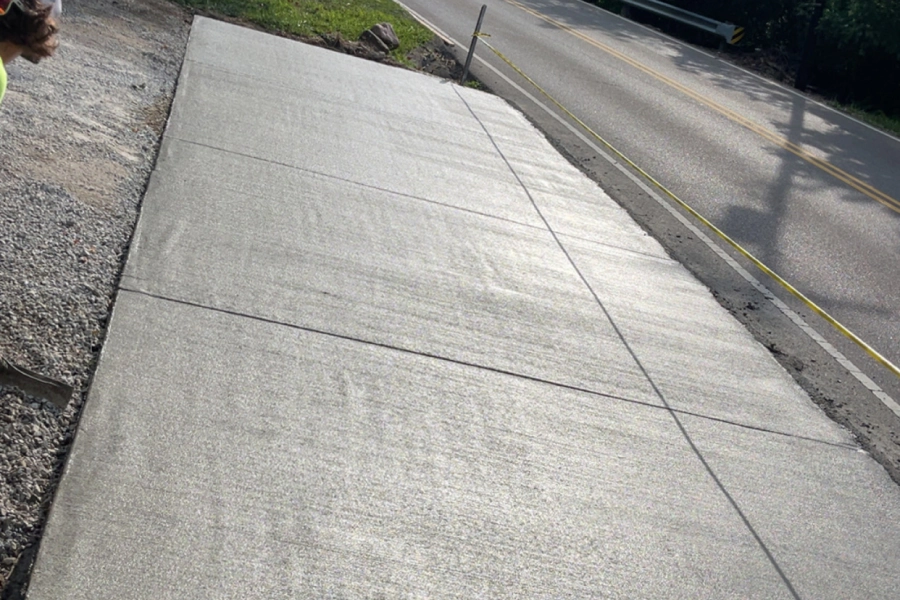
Sidewalk Installations That Improve Safety and Accessibility
Sidewalks play a critical role in how people move around a property. Whether leading to a front entrance, connecting outdoor areas, or meeting municipal requirements, walkways must remain level, stable, and safe for daily use. Over time, however, sidewalks begin to show signs of wear due to shifting soil, tree root growth, and seasonal temperature changes.
Cracked or lifted concrete creates uneven walking surfaces that increase the risk of trips and falls. These hazards can become a serious concern for homeowners, businesses, and municipalities. In addition to safety risks, damaged sidewalks can lead to compliance issues, especially when local codes require walkways to meet specific standards.
Delaying repairs or replacement often makes the problem worse. Small cracks expand, sections continue to shift, and the overall structure becomes less stable. Water can seep into these openings, freeze, and cause further expansion that accelerates damage. Over time, what could have been a straightforward replacement turns into a larger issue.
Working with a concrete sidewalk contractor ensures the problem is addressed correctly from the start. We begin with a detailed evaluation of the affected areas, identifying the cause of the damage and determining the best approach for replacement or installation. Every project is planned to restore safe, even surfaces that support consistent foot traffic and meet local requirements.
Sidewalk Construction Designed for Long-Term Stability
A properly installed sidewalk requires more than just pouring concrete. It must be built on a stable base, aligned correctly, and finished with attention to detail to ensure it performs well over time. Without proper preparation, sidewalks are more likely to shift, crack, or become uneven again.
We focus on building sidewalks that maintain their structure and usability. Each project begins with careful planning to ensure the new walkway integrates with the surrounding area and provides a smooth transition between surfaces.
Our process includes:
- Site evaluation and removal: We assess existing sidewalk conditions and remove damaged or uneven sections to prepare for a fresh installation that resolves underlying issues.
- Ground preparation and grading: The soil beneath the sidewalk is leveled and compacted to create a stable base. Proper grading helps support the concrete and reduces the risk of shifting.
- Forming and layout setup: Forms are placed to define the sidewalk’s width, thickness, and alignment. This ensures the finished walkway follows a clean and consistent path.
- Concrete pouring and leveling: High-strength concrete is poured evenly and leveled to create a smooth walking surface that can handle regular foot traffic.
- Control joint placement: Joints are added to guide natural movement and help prevent uncontrolled cracking as the concrete expands and contracts.
- Edge finishing and detailing: The edges are finished cleanly to improve durability and maintain a polished appearance along the entire walkway.
- Final inspection and cleanup: Once complete, the sidewalk is reviewed to ensure it meets expectations, and the site is cleared for immediate use after proper curing.
Each step is handled with care to ensure the sidewalk remains level, safe, and durable for years to come.
Create Safer Walkways for Homes and Public Spaces
A well-built sidewalk improves both safety and accessibility across a property. Smooth, even surfaces reduce the risk of trips and falls, making it easier for people to move confidently. This is especially important for households with children, older adults, or frequent visitors.
Sidewalks also play a key role in maintaining clear pathways between different areas of a property. Whether connecting driveways, patios, entrances, or outdoor features, a properly installed walkway provides structure and organization. This makes daily movement more efficient and reduces wear on surrounding landscaping.
For properties that must meet municipal standards, sidewalk installation must follow specific guidelines. These may include width requirements, slope limitations, and material specifications. Working with a contractor who understands these requirements helps ensure that the project meets expectations and avoids potential compliance issues.
We also consider drainage when installing sidewalks. Proper slope and placement allow water to flow away from the surface, reducing the risk of pooling or erosion. This helps protect both the sidewalk and nearby areas from long-term damage.
By focusing on stability, alignment, and proper installation techniques, sidewalks can remain reliable and safe even under constant use and changing conditions.
Plan Your Sidewalk Project with Clear Expectations
Starting a sidewalk project becomes much easier when the process is clearly outlined. Many property owners are unsure whether they need a full replacement or just a partial repair. Others are concerned about timelines, disruption, or how the installation will affect their property.
We simplify the process by providing clear guidance from the beginning. During the initial consultation, we review your current sidewalk, explain what needs to be done, and recommend a solution that addresses both safety and long-term performance. This ensures you have a clear understanding of the project before work begins.
We also provide realistic timelines so you can plan accordingly. From removal to installation, each phase is explained so there are no surprises. Our goal is to complete the project efficiently while maintaining the quality of the work.
After installation, we offer guidance on proper care and curing. Allowing the concrete to set fully and avoiding early heavy use helps protect the surface and extend its lifespan. Simple maintenance practices can also help keep the walkway in good condition over time.
Choosing the right concrete sidewalk contractor means working with someone who focuses on preparation, communication, and long-term results. If your current sidewalk is uneven, cracked, or unsafe, replacing it with a properly installed surface is a practical step toward improving safety and usability.
Frequently Asked Questions About Concrete Sidewalks
-
If the sidewalk has large cracks, uneven sections, or widespread damage, replacement is often the better option. Repairs may not fully resolve structural issues, which can lead to recurring problems.
-
Most sidewalks are installed at a thickness of around 4 inches, depending on usage and local requirements. This provides enough strength to support regular foot traffic.
-
Most sidewalk installations are completed within a few days depending on size and site conditions. Additional time is needed for proper curing before full use.
-
Concrete sidewalks require minimal maintenance. Keeping the surface clean and monitoring for minor changes can help maintain performance over time.
-
We accept cash and check payments. Payment details are discussed during your estimate so expectations are clear before work begins.
Save on Your Sidewalk Installation Project
Plan your sidewalk installation with a focus on safety, proper alignment, and long-term performance for daily foot traffic.